




Pre-construction
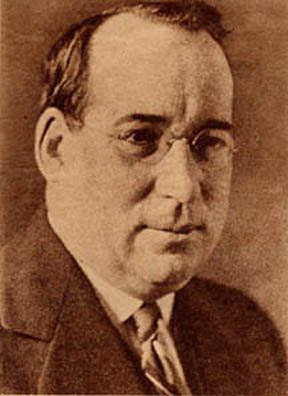
Fred W. Martin secured Parsons, Klapp, Brinckerhoff, and Douglas to design the tunnel and guarantee costs; bankers from Detroit, New York, and Chicago backed the project.
Pre-construction
Construction Launch
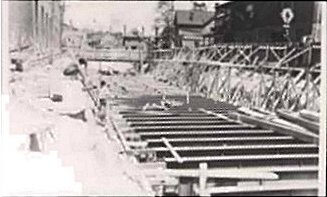
October 7, 1928 This marked the start of site preparation, including dredging operations for the riverbed trench and the fabrication of tunnel sections on the Canadian side near Sandwich, Ontario.
1928Construction Launch
Cut and Cover
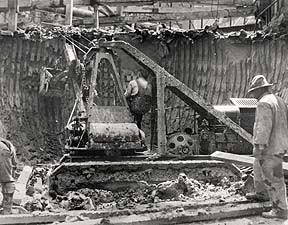
1928 Construction of the Detroit-Windsor Tunnel began on both sides using "Cut and Cover," "Shield," and "Trench and Tube" methods.
1928Cut and Cover
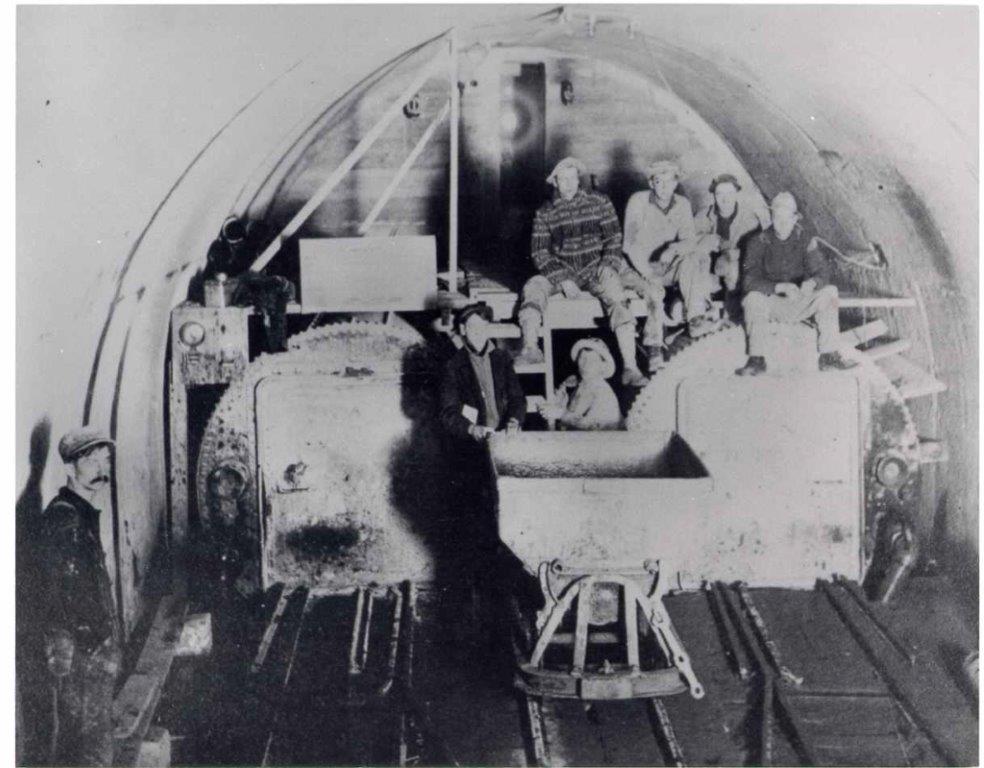
Mucker is the Shield section
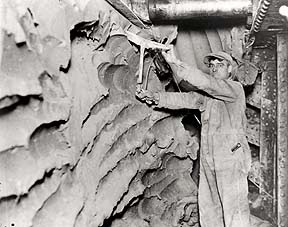
The Detroit Windsor Tunnel’s muckers worked tirelessly through dense clay and mud, performing intense physical labor to carve the tunnel’s path. Their determination and teamwork laid the foundation for one of North America’s most remarkable engineering achievements.
1928Mucker is the Shield section
Tube and Trenching
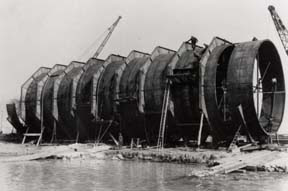
The tunnel’s underwater sections were precision-built in Canadian dry docks, where each steel tube was carefully formed, welded, and inspected before being floated into place. These same design drawings continue to play a vital role today, supporting rehabilitation and maintenance work that helps preserve the tunnel’s structure and ensure the safety of everyone who travels through it.
1928Tube and Trenching
Tunnel Section Installation
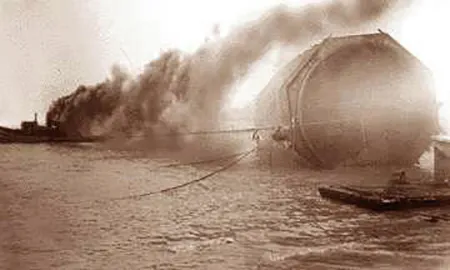
Tunnel sections were fabricated and sunk into the dredged trench in the Detroit River. Precision alignment and joining of the nine sections took place during this year. See tube video
1929Tunnel Section Installation
Grand Opening
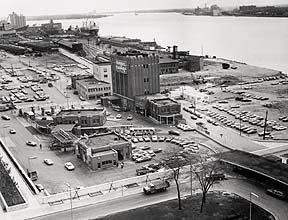
Mayor Frank Murphy of Detroit and Mayor Cecil E. Jackson of Windsor opening ceremony
November 3, 1930Grand Opening
Ferry Service Ends
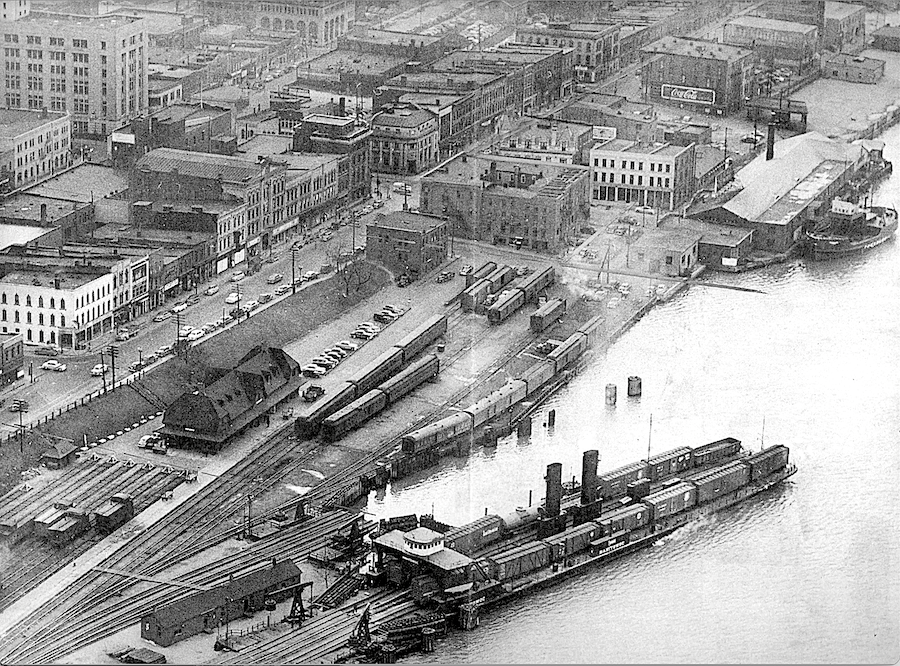
1940 Canadian National's boat docks and passenger station in Windsor. The Detroit River car ferry service officially ended on July 18, 1940. The tunnel and bridge provided reliable, year-round crossings for both vehicles and commercial traffic, rendering the ferry obsolete for automobile transport.
1940Ferry Service Ends
20 Years of Operation & Tunnel to Canada
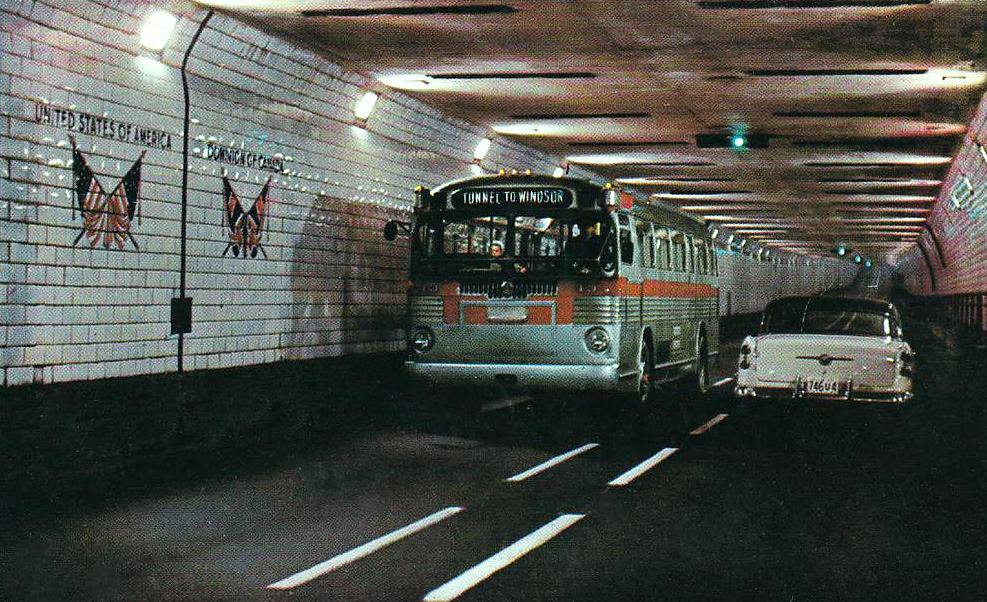
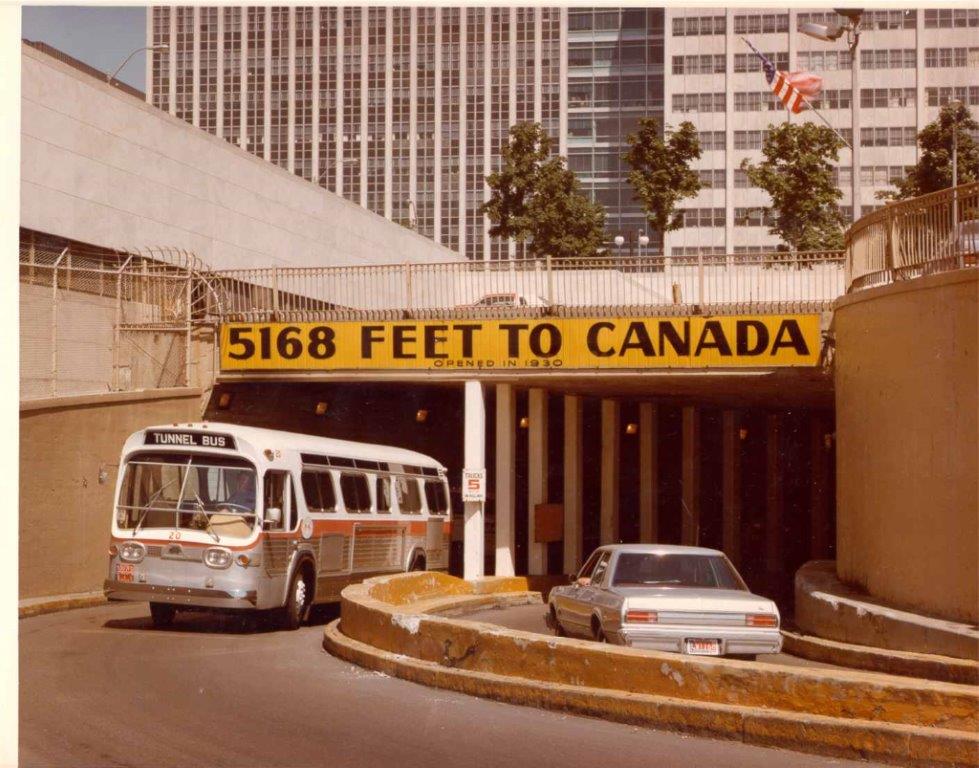
1950’s. The tunnel celebrated its 20th year of operation in November 1950. The tunnel handled millions of vehicles annually, reflecting the growth in both tourism and commercial transport.
195020 Years of Operation & Tunnel to Canada
Tunnel border 1970s - Detroit plaza renovation
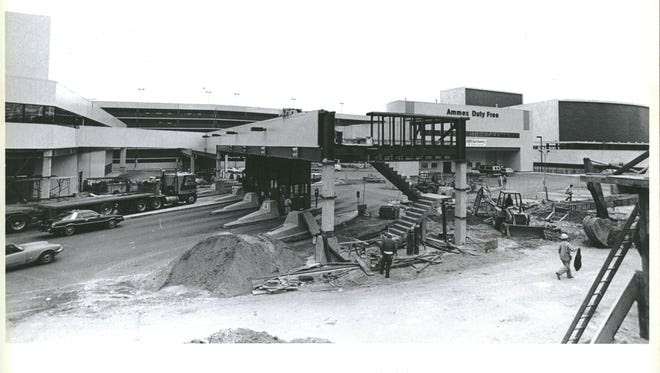
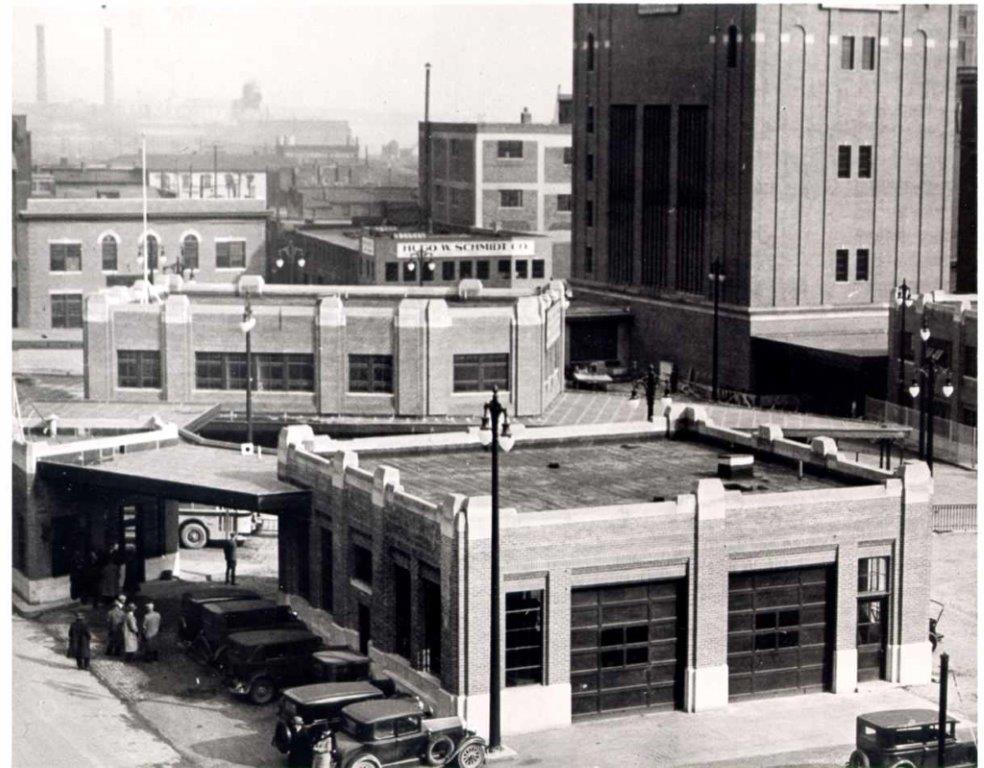
In the 1970s, the Detroit Windsor Tunnel Plaza underwent a complete transformation. Every building on the plaza was replaced with a new, modern structure—all while the tunnel remained open to traffic. The only original structure that remains today is the ventilation building, which was updated with exterior cladding to match the design of the new plaza.
1970Tunnel border 1970s - Detroit plaza renovation
Tile Restoration work 1980s
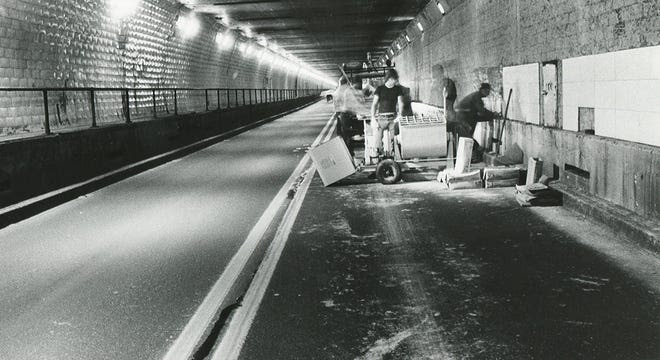
In the 1980s, the Detroit Windsor Tunnel underwent a major restoration that included replacing the original 1930 wall tiles. This important project was led by Wally Bortman, with Paul Adams serving as the lead field mason. Their work helped preserve the Tunnel’s historic character while giving it a refreshed, modern look that continues to serve travelers today.
1980Tile Restoration work 1980s
HID Lighting Upgrade
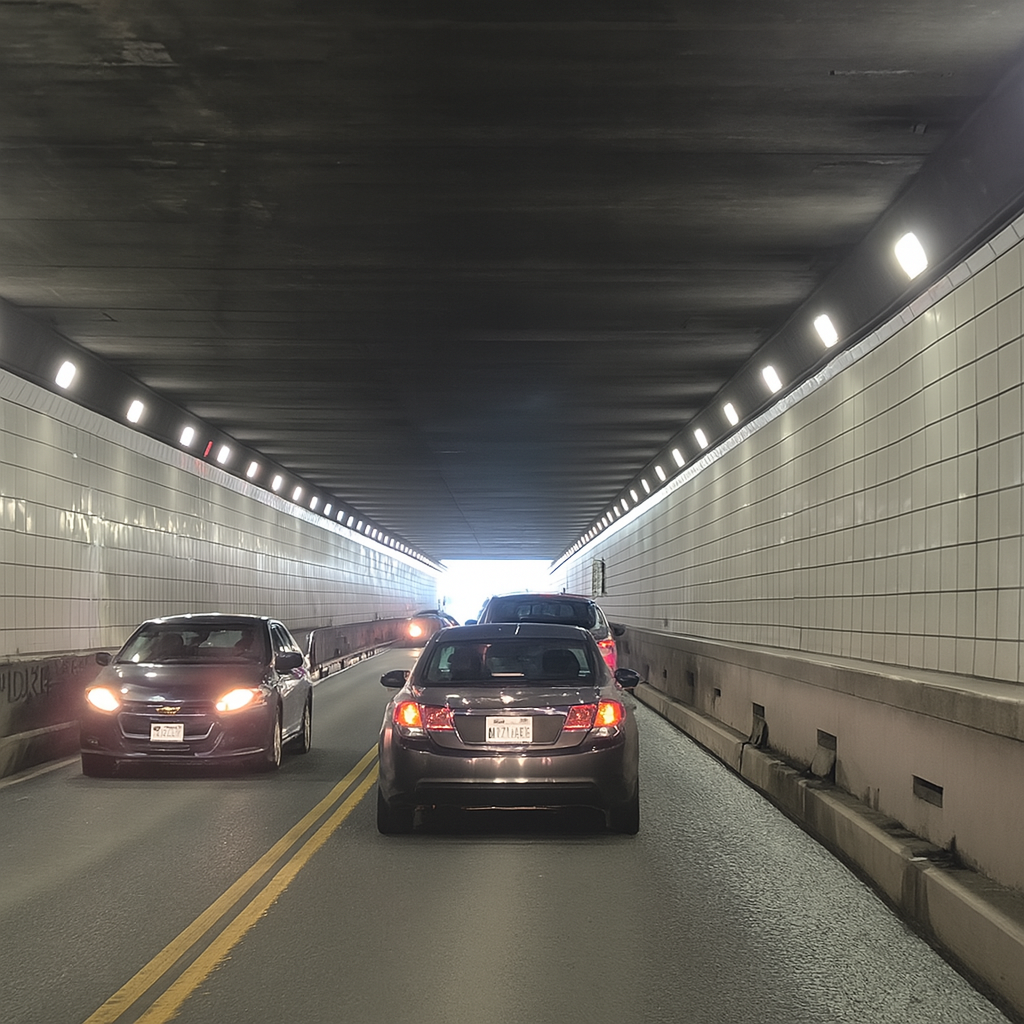
In 1994, the Detroit-Windsor Tunnel transitioned from traditional incandescent lighting to a high-intensity discharge (HID) lighting system, significantly improving light levels within the tunnel while also providing extended bulb life compared to incandescent technology. This important infrastructure upgrade was planned and implemented under the leadership of Maintenance Manager Joe Bali.
1994HID Lighting Upgrade
2000s Detroit Plaza
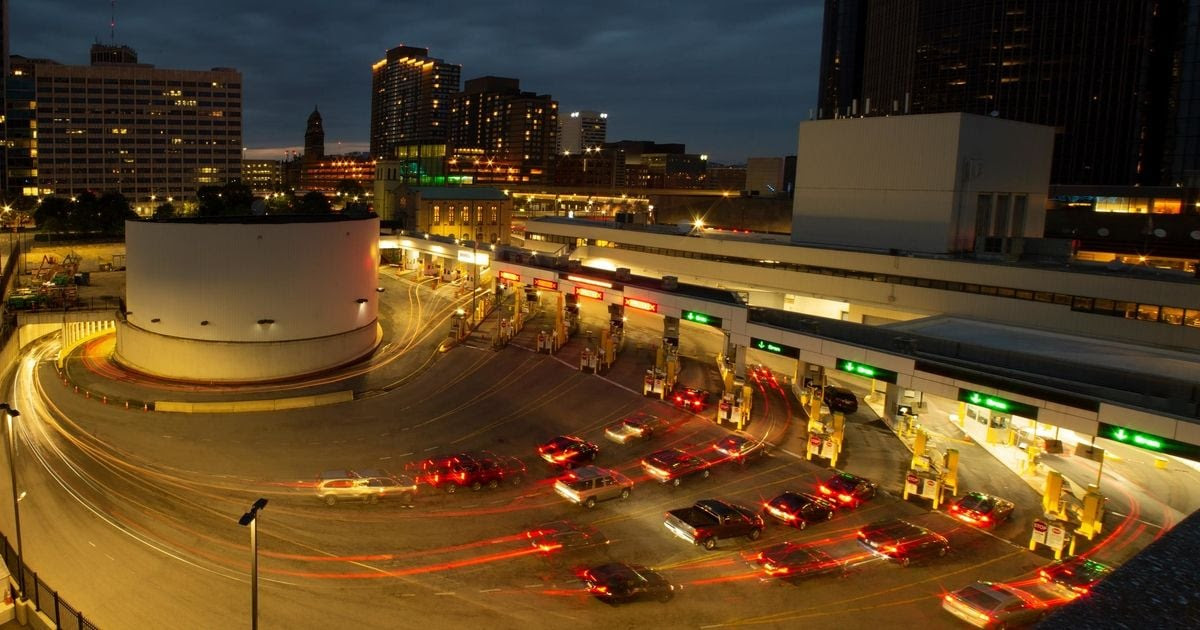
In the 2000s, the Detroit Windsor Tunnel Plaza saw major improvements led by Robert Howell, including the installation of new LED lane signs for clearer driver guidance and significant upgrades to the secondary processing area to improve traffic flow and efficiency.
20002000s Detroit Plaza
LED Lighting Upgrade
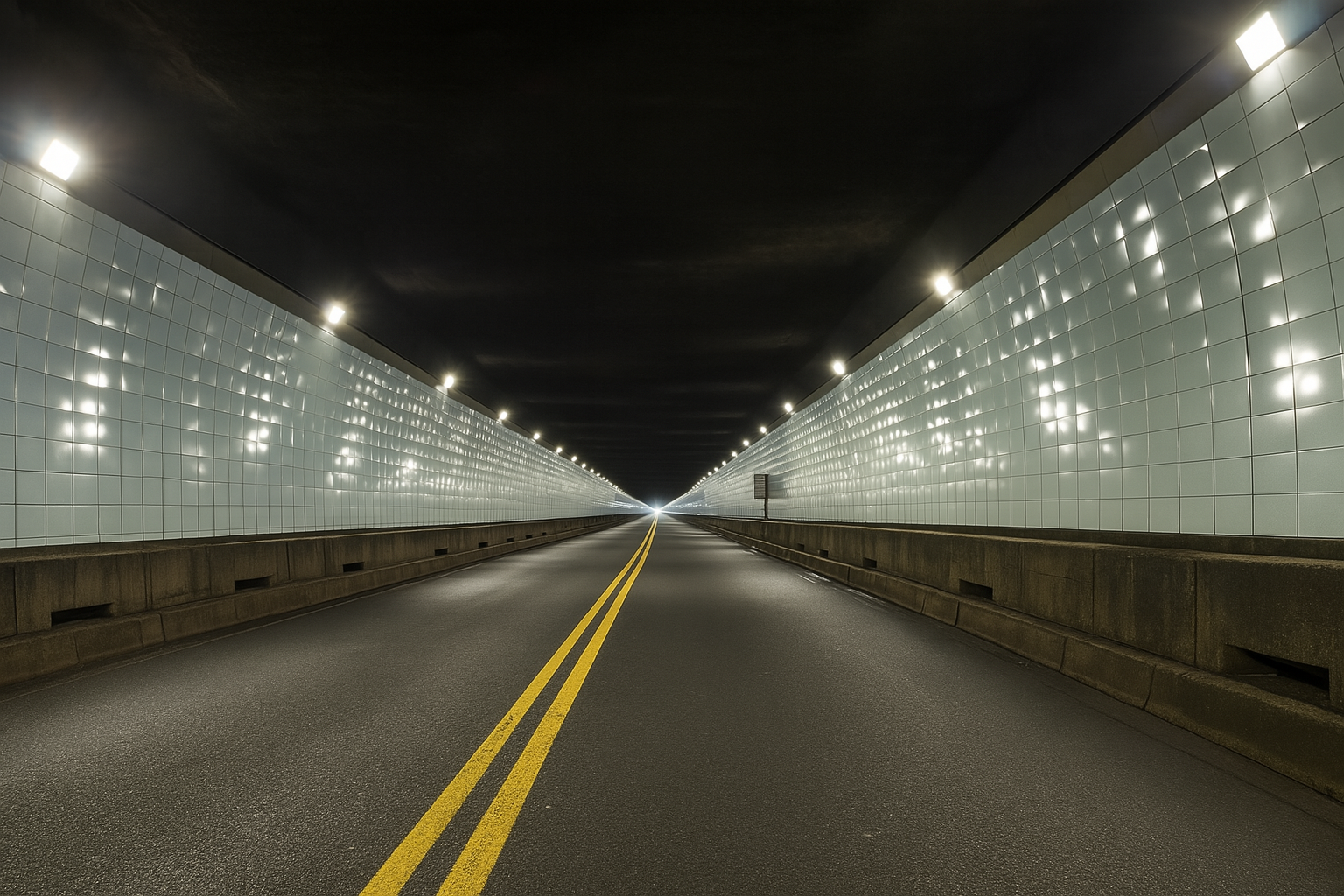
In 2011, the Detroit-Windsor Tunnel underwent a significant lighting upgrade, transitioning to a modern LED system specifically engineered for tunnel environments using Cooper LED solution. Unlike conventional LED applications designed primarily for nighttime use, the tunnel’s lighting system operates 24 hours a day, 7 days a week, ensuring consistent visibility and safety at all times. The design and implementation of this system required extensive research and engineering, led by the Tunnel's Maintenance Director, Trevor Pearce.
2011LED Lighting Upgrade
Ceiling Removal & Replacement
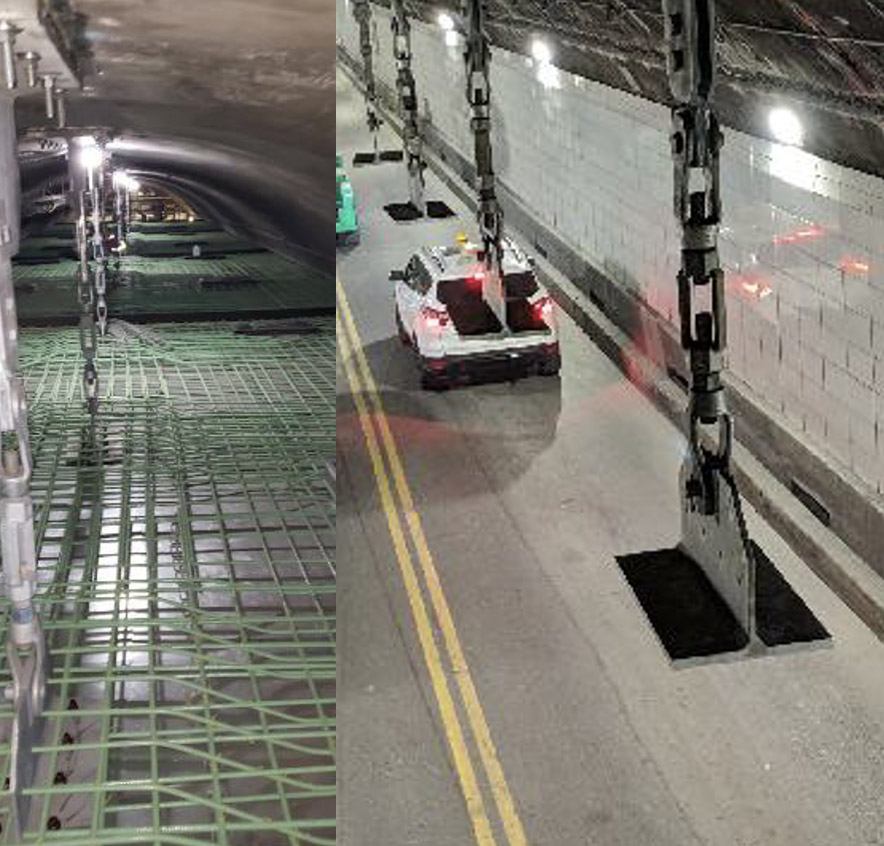
From October 20 to October 30, 2017, the Detroit-Windsor Tunnel initiated the removal of the ceiling in the River section, which connects the Detroit and Windsor portions of the tunnel. This work required a full closure of the tunnel for a period of 10 days. Following the initial closure, overnight closures continued from Sunday to Thursday between 8:00 p.m. and 5:30 a.m. to allow for the installation of the new ceiling. The project was successfully completed in 2020.
2017–2020